
Buildings that cannot close
Commercial painting
The painting is the same trade. What changes is that the building has to keep working while it happens.
Commercial work here has meant colleges, funeral homes, gas stations and daycares. That is an odd-looking list until you notice what those four have in common: none of them can shut for a fortnight, and each one fails in a different way if the job is scheduled like a house.
A repaint in an occupied building is a coordination job with painting inside it. The surfaces are not the hard part. The hard part is the calendar, the hours you are open, what your visitors are there for, and what a wet coat means to the people using the room next door.
So the useful conversation is not about coatings. It is about when the building is empty, what cannot be smelled or seen or tripped over while it is not, and which parts of the job have to be finished before a specific date rather than a good one.
Drag it
The mall stayed open.
A retail unit turned round between one tenant leaving and the next one opening, with the concourse trading either side of it the whole time. The ceiling grid, the exit sign and the shopfront glazing are the ones that were already there.
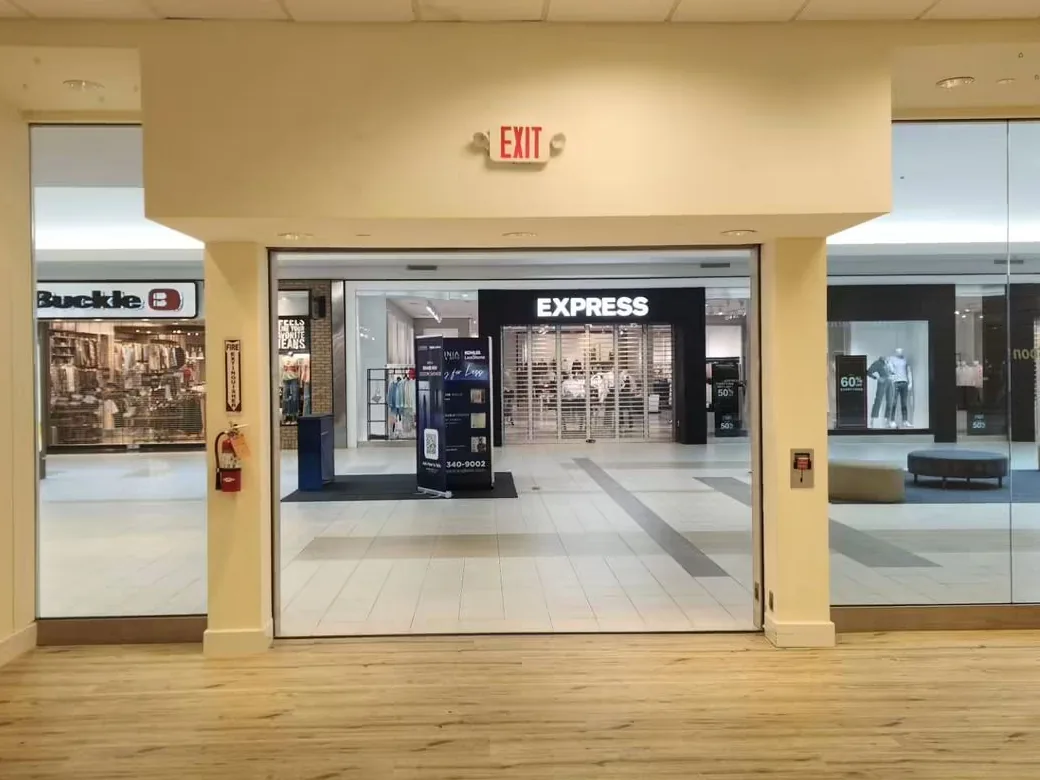
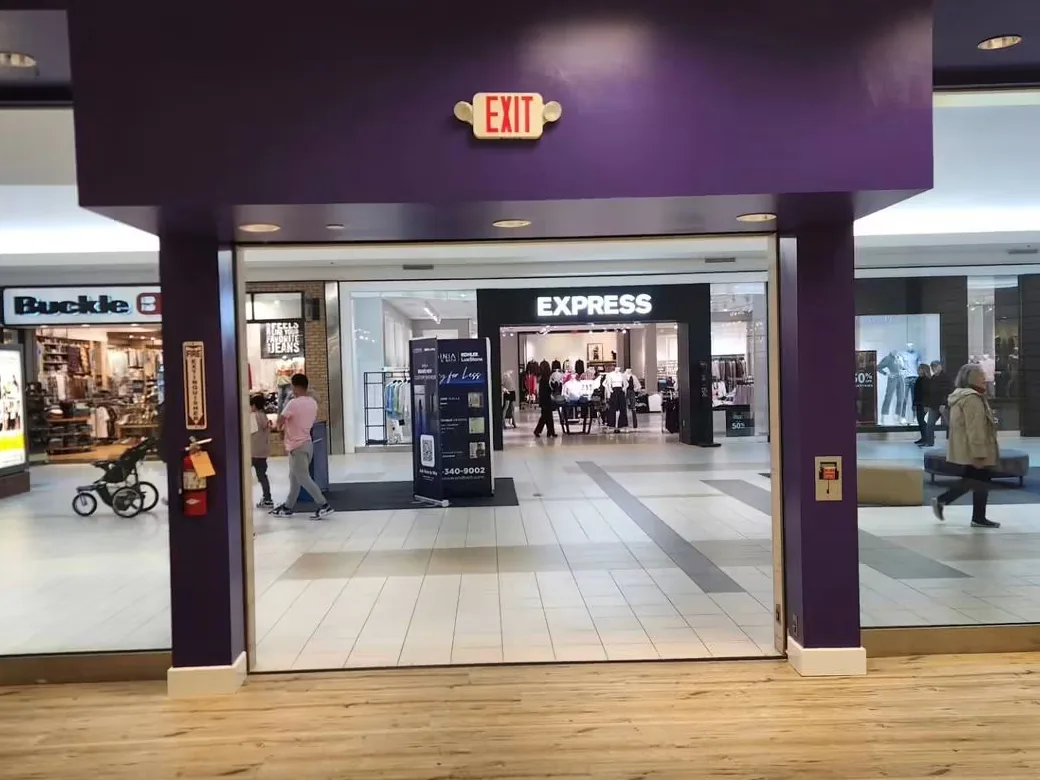 BeforeAfter
Step by step
How a commercial painting job runs
- 01
Walk it with whoever runs the building
Not just the surfaces. Opening hours, the busy days, the rooms that cannot be out of service at the same time, who has to be told, and what the immovable date is. Most commercial jobs have one, and it is usually somebody else’s calendar rather than ours.
- 02
A written scope, and a schedule that fits your hours
What gets painted, what does not, and when each part happens. In an occupied building the sequence matters as much as the list, because it decides which rooms you lose and for how long. Both are agreed before anything is booked.
- 03
Contract, deposit and payment stages
Commercial jobs run on a deposit before work starts and progress payments as the job reaches agreed stages. The stages are written into the contract you sign, so nothing about the money arrives as a surprise partway through.
Four kinds of building, four different problems
The list below is the actual commercial work rather than a menu. Each one is on it because it carries a constraint that decides how the job has to run, and getting that constraint wrong is worse than getting the color wrong.
Colleges. The calendar is the job. Dorms, halls and lecture rooms are empty in defined windows and full again on a date that does not move, so the scope gets sized to the window rather than the other way round. Corridors and stairwells there take more traffic in a term than a hallway at home takes in a decade, which changes what belongs on them.
Funeral homes. A family should not be able to tell the building was painted this week. That rules out solvent smell during opening hours and it rules out a crew being visible during a service. The schedule bends around a calendar that changes at short notice, and low-odor products stop being a preference.
Gas stations. They do not close. Work happens around fuel deliveries and around a forecourt with ignition sources on it, which constrains where equipment goes and what can be running while it is there. Canopies, poles and bollards take weather and traffic film at the same time.
Daycares. The highest bar of the four. Nothing is left within reach of a child, work happens in closed-off areas or outside hours, and a room does not go back into use because the paint is dry — it goes back when it has cured. Low-VOC products and real ventilation time are the specification, and both belong in the scope rather than in an assumption.
How a commercial job is paid for
A deposit before the work starts, then progress payments as the job reaches agreed stages. That is normal commercial practice rather than anything particular to us, and it differs from residential for a plain reason: a job that runs for weeks and carries material and labor cost the whole way through is not funded like a three-day repaint.
What matters is that it is written down. The stages, what each covers, and what has to be finished before each payment are in the contract before anyone starts. No figures are published on this site, for commercial or anything else — a real number comes from walking your building.
What this is not
This is not a second business wearing the same name. Two Koats is a residential repainting company, that is what the rest of this site is about, and commercial does not change it. This work is here so somebody looking for it can find it.
It also means being straight about fit. Industrial coatings, high-rise exteriors and anything needing specialist access equipment are a different trade with different licensing. The useful answer there is a name, not a quote.
“Nate and his crew did a great job! They are thorough and professional. I highly recommend them for any painting project you have.”
“5 thumbs up! Very impressed with the superior quality of work!”
Commercial Painting questions
Commercial Painting, answered
Can you work outside our opening hours?
Yes, and for some buildings it is the only sensible way to do it. Nights, weekends and closed periods are normal for occupied commercial work. It gets agreed at the walkthrough and written into the schedule rather than negotiated on the day.
How does payment work on a commercial job?
A deposit before work starts, then progress payments as the job reaches agreed stages. That is standard commercial practice, and it differs from residential because the job runs longer and carries cost throughout. The stages are in the contract you sign, agreed before anyone starts.
Can we stay open while you paint?
Usually yes, by sectioning the work rather than taking the whole building at once. It is how gas station and college work normally runs. It costs some efficiency, which is worth knowing when you compare a quote against one that quietly assumes an empty building.
What about paint smell in an occupied building?
It is the constraint that drives the most decisions, particularly in funeral homes and daycares. Low-odor and low-VOC products, ventilation, and putting the worst stages in closed hours. Which combination applies depends on the building, so it goes in the scope rather than being assumed.
Do you work in buildings with children in them?
Daycares are part of the commercial work, and the rules there are stricter than anywhere else: closed-off areas or out-of-hours work, nothing left within reach, and a room going back into use when the coating has cured rather than when it is dry to the touch.
What kind of commercial work is not a fit?
Industrial coatings, high-rise exteriors and anything needing specialist access equipment. That is a different trade with different licensing, and saying so is more useful than quoting for it.
Ask Nate about commercial painting
Pick a time that suits you and the slot is confirmed there and then, at eleven at night if that is when you are thinking about it. Nate comes out, looks at what is actually there, writes down what he would do, and gives you a number.